 how-to
Can You Work as a Home Inspector Without a License?
Last Updated: November 1, 2026
Quick Summary
Can you work as a home inspector without a license? In some states, yes, while in others doing so is illegal, because there is no single national license and the answer depends entirely on where you plan to work. A home inspector license is a legal credential from a state regulator, while certification is a voluntary professional credential from an industry association.
- A minority of states does not require a state-issued home inspector license to inspect and deliver reports for a fee.
- In licensing states, you may generally work as an employee or assistant under a licensed inspector who signs and delivers the report.
- Performing inspections without a license in licensing states can bring fines, cease-and-desist orders, and being barred from later applying.
- The National Home Inspector Examination, or NHIE, is the exam most licensing states accept, and passing it is often the biggest hurdle.
- Secure errors and omissions and general liability coverage before accepting your first job, since one missed defect claim can cost more than a year of premiums.
Table of Contents
- The Short Answer: Licensing Depends on Your State
- States That Do Not Require a Home Inspector License
- What an Unlicensed Inspector May Legally Do
- Home Inspector Certification vs License: What's the Difference
- Home Inspector Training Requirements by State
- Home Inspector Insurance Requirements Before You Take the Job
- How to Verify Your State's Home Inspector License Rules
- Start Your NHIE Prep Before You Apply
- Frequently Asked Questions
The Short Answer: Licensing Depends on Your State
Can you work as a home inspector without a license? In some states, yes. In others, doing so is illegal.
The key distinction is simple. A home inspector license is a legal credential issued by a state regulator. Certification is a voluntary professional credential from an industry association.
Here is the bottom line: a handful of states have no licensing requirement at all, several have strict licensing with education and exam mandates, and the rest fall somewhere in between.
States That Do Not Require a Home Inspector License
A minority of states does not require a state-issued home inspector license to perform inspections and deliver reports for a fee. In those states, you can legally operate without a state credential, but the absence of a license requirement is not the absence of rules.
Licensing requirements differ widely from state to state, and they change over time, so any list of states should be treated as a starting point. Check your state's official regulatory agency for its current rules.
A practical decision guide
Rather than memorizing a list, use this three-step test to determine what applies where you plan to work:
- Check for a statewide license or registration statute. Search your state legislature's website for the term "home inspector" in the statutes. If a licensing act exists, you are in a regulated state and must follow its education, exam, and insurance requirements.
- Check for local rules. Even in states without a statewide license, cities and counties may require a business license, a registration, or compliance with a local standards-of-practice ordinance. Call the city or county clerk where you intend to operate.
- Check for indirect requirements. Lenders, real estate brokerages, and relocation companies sometimes require inspectors to hold a specific certification or carry minimum insurance before they will accept a report. These are contractual requirements, not laws, but they function like rules in practice.
How to verify current requirements
Use official sources, not forum posts or old blog articles. Start with your state's licensing board or professional regulation agency, then read the actual statute or administrative rules page for home inspectors. Confirm the specific course hours, exam name, insurance minimums, and renewal cycle that apply. If anything is unclear, call the agency and ask for the licensing division that handles home inspectors.
What an Unlicensed Inspector May Legally Do
In states without a licensing requirement, an unlicensed inspector may legally perform inspections, write reports, and charge for services. That is the practical baseline. But the legal answer depends on the role you play, and the four common roles carry different levels of exposure.
The four roles, and what each one allows
- Employment by a licensed inspector or firm. In a licensing state, you may generally work as an employee or assistant under a licensed inspector, performing fieldwork and drafting portions of reports under supervision. The licensed inspector signs and delivers the report, and the legal responsibility stays with the license holder. This is the standard entry path in regulated states.
- Supervised fieldwork. Many licensing states require a set number of supervised inspections before you can apply for your own license. In that arrangement, you are gaining required experience, not operating independently, and the supervising inspector remains responsible for the final report.
- Independent inspections in a no-license state. Where no state license is required, you may market and perform inspections independently, set your own fees, and deliver reports in your own name. This is legal, but it is also where liability lands squarely on you.
- Signing and delivering reports. The signature on the report is the focal point of legal risk. In a licensing state, only a licensed inspector may sign and deliver a report for compensation. In a no-license state, you may sign your own reports, but you are accepting the contractual and liability obligations that come with that signature.
What you cannot do
You cannot claim a credential you do not hold. Calling yourself a "licensed inspector" in a state that requires a license, or misrepresenting your qualifications, can trigger consumer protection complaints and contract disputes. You also cannot perform inspections that a state statute reserves to licensed professionals, such as certain types of commercial or specialty inspections in regulated states.
The legal and financial risks
Working without required credentials carries real consequences. In licensing states, performing inspections without a license can result in fines, cease-and-desist orders, and being barred from later applying for a license. In no-license states, the risks are contractual and financial rather than regulatory: a client who believes your report missed a defect can sue, and your errors and omissions policy may exclude coverage if you misrepresented your qualifications or performed work outside your competence.
If you are launching a business in a no-license state, our guide on how to start a home inspection business legally walks through licensing, insurance, and startup steps.
Home Inspector Certification vs License: What's the Difference
A home inspector license is a legal permit issued by a state government that authorizes you to perform inspections. Certification is a voluntary credential from a professional association or training body that confirms you met a standard. Distinguishing between these regulatory requirements and industry-recognized benchmarks remains essential for anyone tasked with finding a certified inspector.
The distinction matters because they serve different purposes:
| Feature | State License | Certification |
|---|---|---|
| Issued by | State regulatory agency | Professional association or training body |
| Legal requirement | Required in licensing states | Voluntary in most states |
| Purpose | Permission to work | Proof of competence |
| Renewal | State-mandated continuing education | Association requirements |
| Portability | State-specific | Often recognized nationally |
In licensing states, you need the license to work legally. Certification can strengthen your standing but does not replace the license. In no-license states, certification is often what separates a qualified inspector from an unqualified one in the eyes of clients and insurers.
Because certification and licensing rules vary so widely, it helps to see how your state compares. Our state-by-state certification requirements guide lays out licensing, exam, and education rules across all 50 states.
Home Inspector Training Requirements by State
Training requirements are where state rules diverge the most. In licensing states, you can expect a mix of classroom hours, field experience, and a passing exam score.
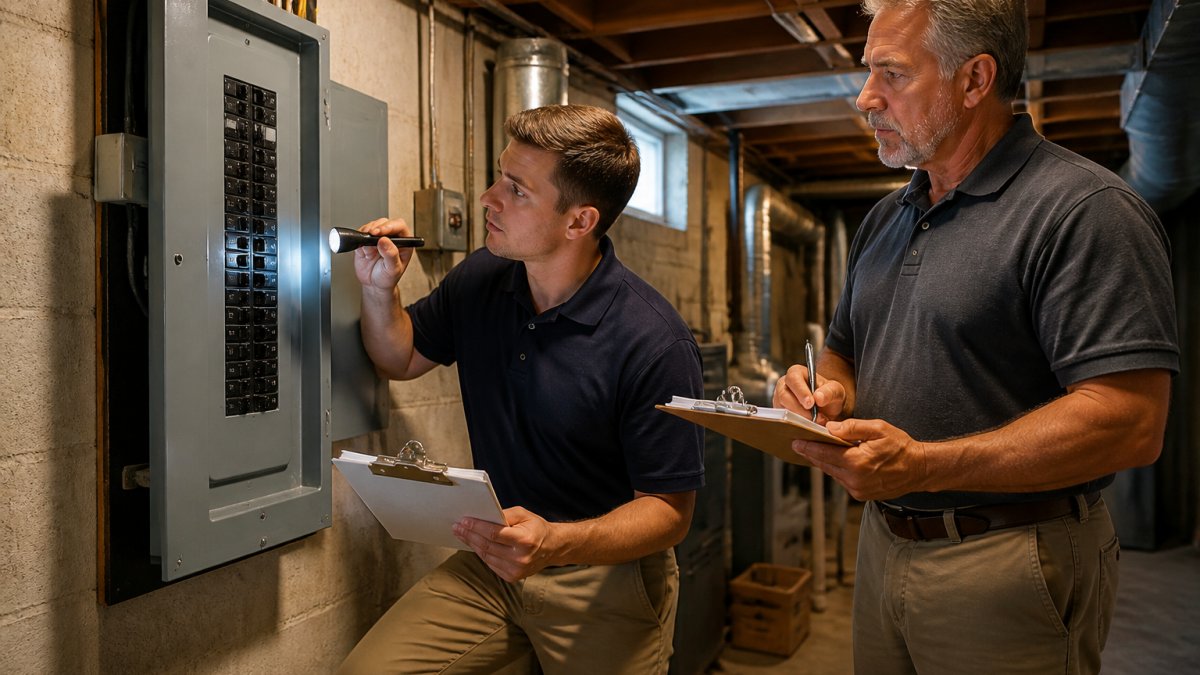
Most licensing states require some combination of:
- Education: A high school diploma or equivalent, plus a set number of pre-licensing course hours
- Field training: Supervised inspections under a licensed inspector
- Examination: A passing score on a state-approved exam, often the National Home Inspector Examination
- Continuing education: Coursework to renew your license each cycle
The National Home Inspector Examination, or NHIE, is the exam most licensing states accept. Passing it is often the single biggest hurdle.
A common mistake is assuming a training course alone prepares you for the exam. It does not. Coursework teaches concepts.
Home Inspector Insurance Requirements Before You Take the Job
Insurance is not optional in practice, even where it is not legally mandated. Licensing rules in some states may require proof of insurance before you can register, and clients and real estate partners may ask for it.
Here is what the two main policies cover:
- Errors and omissions insurance protects you if a client claims your inspection missed a defect or your report was inaccurate.
- General liability insurance covers property damage or injury that happens during an inspection.
A single missed defect claim can cost more than a year of premiums. That is why we tell new inspectors to secure coverage before accepting the first job, not after.
How to Verify Your State's Home Inspector License Rules
Rules change, and outdated blog posts are everywhere. Here is how to confirm the current requirements for your state:
- Find your state's regulatory agency. Search for the board or agency that oversees home inspectors, often under a department of licensing or professional regulation.
- Check the official statute or rules page. Look for the home inspector licensing act or trade practice act for your state.
- Confirm education, exam, and insurance requirements. Note the specific course hours, exam name, and coverage minimums.
- Check renewal and continuing education rules. These affect your long-term costs.
- Call the agency if anything is unclear. A five-minute call beats a wrong assumption.
Watch out: relying on a forum post or an old article instead of the official source is how people end up working without required credentials. The consequences range from fines to being barred from the profession.
Start Your NHIE Prep Before You Apply
Passing the NHIE is the step that unlocks licensing in most states. Starting your prep early gives you a clear picture of where you stand before you commit to an application, a course, or a business launch.
At Bulletproof Test Prep, we built our platform for exactly this stage. You can start with a free diagnostic.
You can start your free diagnostic to see where you stand right now. When you are ready to go further, view our pricing and access options. Bulletproof Test Prep also offers a money-back exam guarantee, so you can prepare with confidence.
The path to becoming a qualified inspector starts with knowing your state's rules. It ends with passing the exam. Get both right, and the rest follows.
Frequently Asked Questions
Can you work as a home inspector without a license?
It depends on where you work. A handful of states have no statewide home inspector license requirement, so you can legally perform inspections without a state-issued credential. Most states, however, require a license before you can inspect homes for a fee. Check your state regulator's website before advertising services, because unlicensed practice can bring fines and civil liability.
In what states do you not need a license to be a home inspector?
Only a small number of states have no statewide licensing law for home inspectors. In those states, you can work without a state license, but individual cities or counties may still require registration, and clients or employers may demand certification. Verify current rules with your state's regulatory agency, since legislatures update these requirements regularly.
What are typical home inspector training requirements?
Licensing states commonly require approved coursework, a passing exam score, and sometimes supervised inspections before you can apply. Confirm the exact hours with your state regulator. Even in states without licensing, completing a recognized training program and passing the National Home Inspector Examination builds credibility with clients and insurers. Training also prepares you for the standards of practice and code of ethics you will be held to.
Do I need home inspector insurance requirements met before inspecting?
Some states may require proof of insurance as part of the license application, so check your state's rules. Even where it is not mandated, most real estate agents and clients will not hire an uninsured inspector. Confirm the minimum coverage amounts with your state regulator and your insurer before you accept your first paid inspection.
The biggest challenge for new inspectors is not finding work. It is proving you are qualified before you have a track record. Bulletproof Test Prep helps you build that proof with an AI-powered study system, 3,500+ practice questions, and full-length exams that simulate real test conditions. Get started with Bulletproof Test Prep and walk into your NHIE knowing you are ready.